
Is Your Dog Suffering From Diarrhea?
Learn the common causes and how to soothe your pup's sensitive stomach.
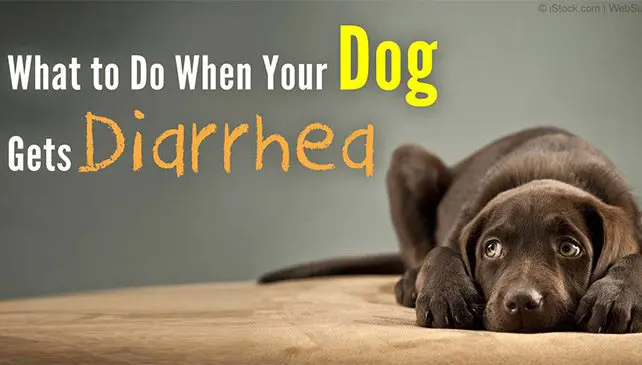
Managing Doggie Diarrhea Safely
Diarrhea is a common problem in dogs and can have a variety of causes. The most common causes are sudden changes in diet or ingesting non-food items. Diarrhea can also be caused by stress, disease, and infection.
There are several things you can do to help get your dogs’ digestive tract back to normal. The first thing you should do is assess the severity of the diarrhea. If your dog suffers from frequent liquid bowel movements or the attack includes blood, get your dog to your vet. Your vet can check for possible food allergies, intestinal parasites, bacterial infections, malabsorption conditions, tumors, and metabolic problems. If the case is not severe, here are a few ways you can help your dog from home.
First and Foremost, Keep Your Dog Hydrated!
Your dog can lose a lot of water when having diarrhea. It is very important to make sure they stay properly hydrated.
- Offer plenty of water
- Offer a 50/50 ratio of water/clear or unflavored Pedialyte
- Offer a 50/50 ratio of water/low-sodium chicken broth.
- Offer ice cubes
Next, I suggest deleting food and treats for 8-10 hours in mild cases and 12-24 hours in moderate cases. This gives your dogs’ intestinal tract a chance to rest. When you do begin feeding, start with something mild, such as a bit of plain boiled chicken and cooked rice. A simple scrambled egg or a bit of plain ground beef is also ok.


Probiotics
Probiotics are good bacteria that are naturally found in your dogs’ gut. Unfortunately, when he has diarrhea, some of these good bacteria get flushed out and his natural probiotic levels drop. This can make it even more difficult for his bowels to recover. You can purchase over-the-counter probiotic powders that contain live cultures. I highly recommend Purina’s FortiFlora. Feeding a bit of low-fat, unflavored yogurt is also a good way to help get some natural bacteria cultures back into your dog’s gut.
Medications
With your veterinarian’s approval, you can administer some over-the-counter medications to help alleviate doggie diarrhea. The most common are
- Pepto -0.5-1 ml of Pepto-Bismol per pound of weight. It should be administered every 6-8 hours. If you’re using the tablets, that is equal to ¼ tablet per 20 pounds of weight every 6-8 hours.
- Immodium-0.1 milligrams of Immodium per pound of weight in each dose. Doses should be administered orally every 6 to 8 hours for no more than 2 days.
*Pepto is not safe for dogs with von Willebrand’s disease or other bleeding problems. It is also not safe for dogs that are pregnant or nursing young puppies.
*Immodium should never be given to dogs that are allergic to narcotic drugs or dogs with underlying kidney, gastrointestinal, liver, or respiratory conditions.
